
Integration of Life Cycle Assessment methodologies for Safe and Sustainable by Design
iLCA4SSbD aims to accelerate the industrial uptake of Life Cycle Assessment (LCA) in the Safe and Sustainable by Design (SSbD) Framework.
It will do so by developing a user-friendly digital platform that supports integrated LCA (iLCA) and provides access to state-of-the-art life cycle sustainability assessment methods, tools, and datasets.
The iLCA platform will be established as a 3-tiered approach, fully aligned with the European Commission's SSbD framework. Each tier corresponds to an integrated methodology (supported by a toolbox) for safety, environmental, social and economic sustainability assessment at different stages of the innovation process, requiring a different level of data and expertise.
Jump to:

Methodology
iLCA4SSbD will use state-of-the-art methods to develop the iLCA platform, which will simplify including SSbD in LCA analysis.
The schematic image shows how the platform will combine a top-down and bottom-up approach, 3 tiers of SSbD and a 5-step stage gate process with the insights from industry case studies.
AI-powered tools

To support data gap filling and cost-effective assessments, we will employ Artificial Intelligence (AI) to develop toolboxes of simplified methods and tools based on established frameworks.
These encompass:
Environmental LCA
Social LCA
Life Cycle Costing
Cost-benefit Analysis
Portfolio Sustainability Assessment
Circularity Analysis
Absolute Environmental Sustainability Assessment based on Planetary Boundaries
iLCA4SSbD’s
Case Studies
The iLCA platform and the methods and tools will be demonstrated through five case studies in the energy, biobased, chemicals, aeronautics, and smart textiles sectors.
The focus will be on critical raw materials and emerging alternatives to substances of concern. The generated LCA datasets will be made available in an Open & FAIR database and uploaded to the European Platform on LCA (EPLCA) in Product Environmental Footprint (PEF) format.
This will generate new scientific evidence on the sustainability of chemicals, materials and products, which will be transferred as recommendations to public authorities to support them in the implementation of key EU policies and regulations.
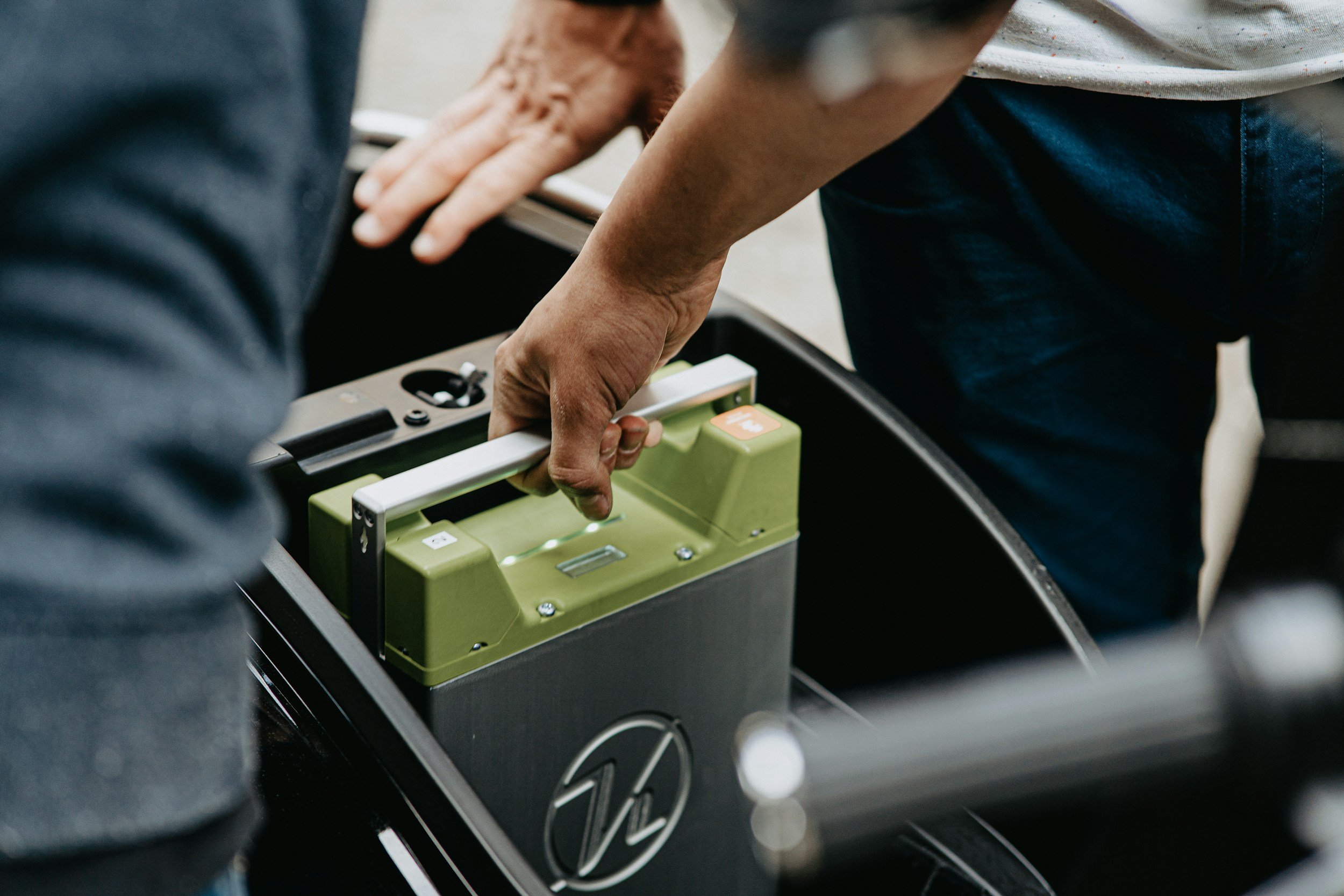
Battery recycling
in the automotive and e-mobility sectors
Ethanol production from renewable feedstocks

Surfactants
in the architectural paints sector

Composites intermediate products
for aviation jet engine blocker doors

Electrodes & flexible electronics for smart textiles
like wearable biomedical bras for health monitoring
Partners
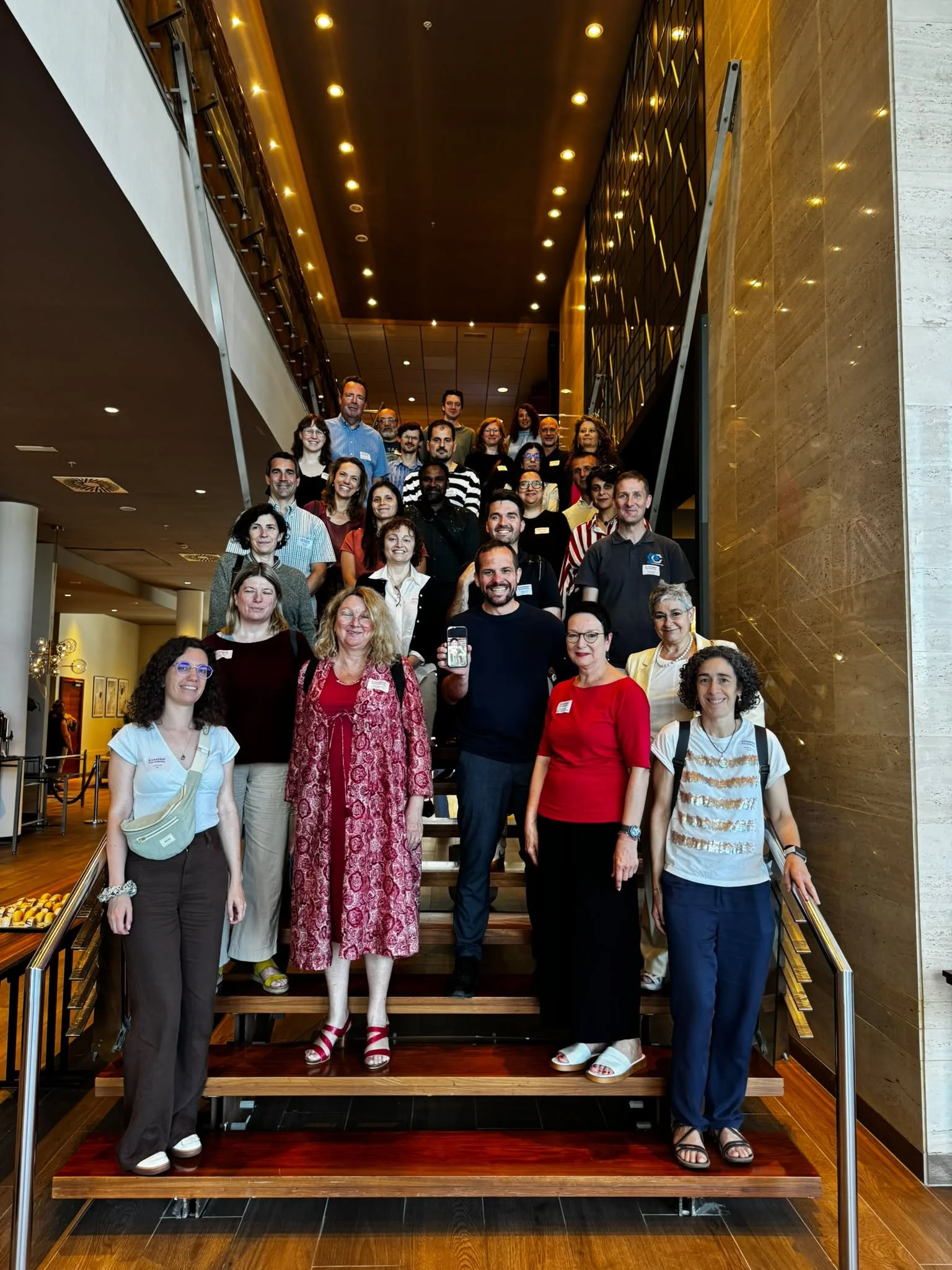
These are the members of the iLCA4SSbD project team:
SSbD Consulting Europe SL (SSbD-CE), Spain
European Research Services GmbH (ERS), Germany
East European Research and Innovation Enterprise (EMERGE), Bulgaria
Rijksinstituut voor Volksgezondheid en Milieu (RIVM), Netherlands
Temas Solutions GmbH (TEMASOL), Switzerland
Fundación Gaiker (GAIKER), Spain
Yordas GmbH (YORDAS), Germany
Fundación Centro de Tecnologías de Interacción Visual y Comunicaciones Vicomtech (VICOMTECH), Spain
Fundación Tekniker (TEKNIKER), Spain
EDC Chemical Consulting (EDC), Germany
Inkode Società Cooperativa (INKODE), Italy
Stiftelsen NILU (NILU), Norway
BioNanoNet Forschungsgesellschaft mbH (BNN), Austria
Syensqo Specialty Operations France (SYENSQO), France
BASF SE (BASF), Germany
Centre Technique Industriel de la Plasturgie et des Composites (IPC), France
Sustainable Portfolio Compass – Consulting (SPC), Belgium
Avanzare (AVAN), Spain
EireComposites Teoranta (EIRE), Ireland
Co-creation

Key actors from industry (incl. SMEs), regulation, policy, consultancy, academia and the civil society will be involved in co-creation of the iLCA approach to ensure integration of safety and sustainability trade-offs in SSbD decision-making.
Interested in getting involved?
↑ back to top ↑